by basem mohammed | Dec 27, 2025 | Uncategorized
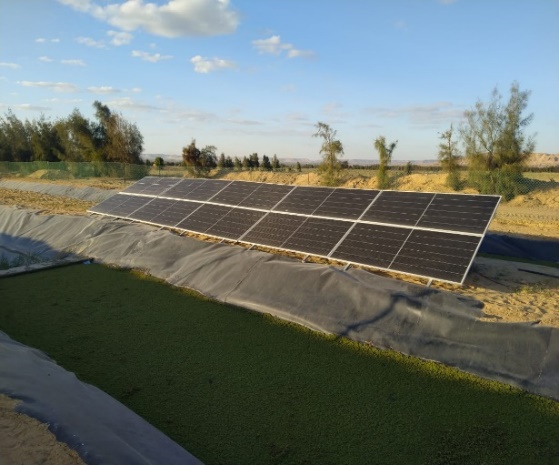
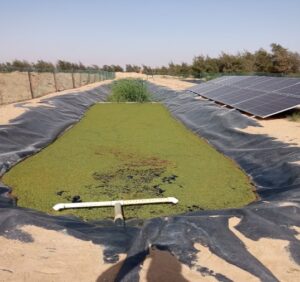
The MEDWET Project has made significant strides in wastewater recycling through the implementation of Constructed Wetland Treatment (CWT) technology, particularly at Sekem Farm in El-Wahat El-Bahariya, Egypt. In 2024, the project successfully deployed a full-scale CWT system, which operates with minimal energy requirements and has achieved an impressive 91% pollutant removal efficiency, meeting secondary treatment standards for irrigation.
The CWT system produces approximately 32-36 cubic meters of treated water daily, which is being utilized for irrigating various plants, including bamboo and shrubs, thereby enhancing carbon sequestration efforts. Additionally, the project has initiated awareness campaigns and training workshops, educating over 1,000 farmers and stakeholders on sustainable water management practices.
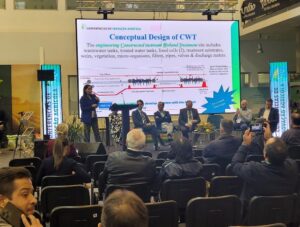
The MEDWET Project was recognized as one of the top 20 best-performing EU-PRIMA projects in 2024, culminating in a celebration in Cairo that highlighted its achievements and fostered partnerships for sustainable water solutions. As the project officially closed on October 25, 2024, its legacy continues to inspire further developments in low-cost water treatment technologies across the region.
by basem mohammed | Dec 27, 2025 | Uncategorized
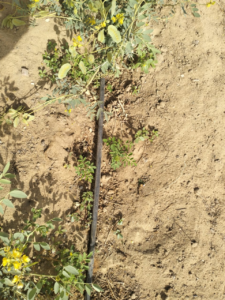
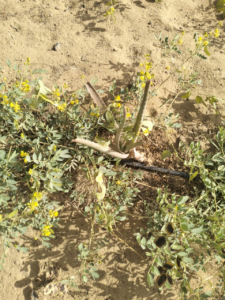
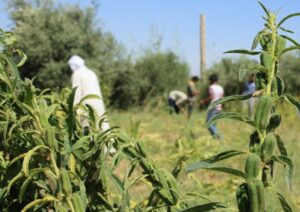
Senna is recognized for its medicinal properties, particularly its natural laxatives derived from its leaves and pods. Adapted to arid environments, Senna contributes to soil stabilization and erosion control, making it suitable for dryland agroforestry. With high global demand in the pharmaceutical industry, Senna presents significant economic opportunities for local farmers.
Senna is a vital component of our agroforestry systems for its:
- Drought Tolerance requires minimal water making it suitable for marginal lands and dryland agroforestry.
- Soil Stabilization as its root system binds the soil and effectively reduces erosion, especially in sandy or degraded areas.
Other benefits:
- Medicinal Value: Senna’s leaves and pods contain sennosides, which are natural laxatives, besides being a traditional medicine for detoxification and colon cleansing.
- Economic Potential: For its global demand in the pharmaceutical industry, Senna provides substantial income opportunities through the sale of dried leaves and pods for export and local processing.
- Pollinator Support: Senna’s flowers attract bees and beneficial insects, enhancing ecosystem health and supporting pollination services.
Senna is not only beneficial for agriculture but also supports health and economic growth, making it an important asset in our sustainability initiatives.
by basem mohammed | Dec 27, 2025 | Uncategorized
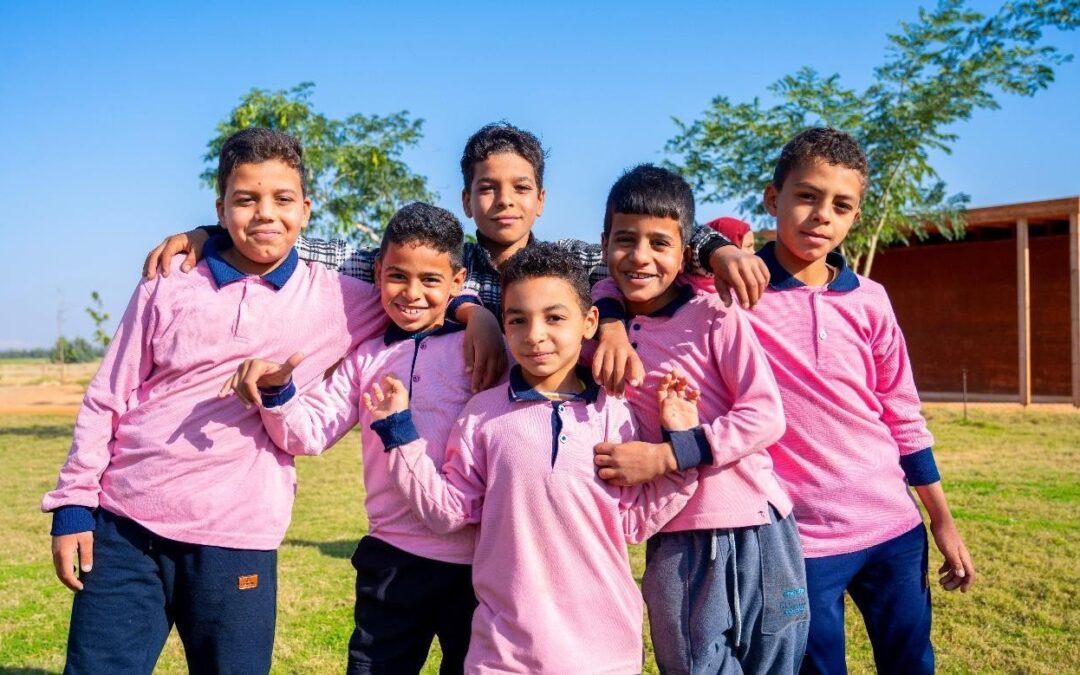
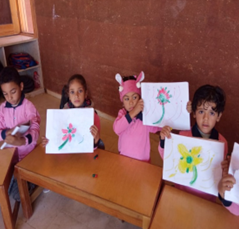
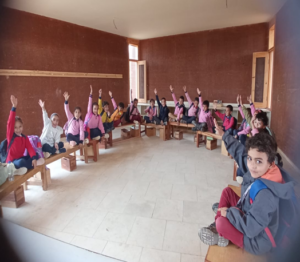
SEKEM School was founded in 1989 with a vision to create a safe environment for students to express themselves. It is accredited by the Egyptian Ministry of Education and aims to serve the community while fostering individual development.
The school’s curriculum is based on the Egyptian government standards but employs an improved delivery method inspired by Waldorf Education. This philosophy emphasizes the development of intellectual, artistic, and practical skills, focusing on thinking, feeling, and willing. Our goal is to foster a balanced and honest personality from an early age.
SEKEM School at Wahat was established in 2021, with modest facilities and a small number of students and teachers. The first day of school marked a new beginning filled with hope and potential. Since its inception, SEKEM School has hosted a variety of activities:
- Daily circle sessions and lectures on climate change
- Parent-teacher meetings and school plays performed for farm workers
- Crafts and educational trips to local museums and notable sites
Our commitment to growth is evident in the construction of a new school building, where students actively participated alongside workers and engineers. This new facility has allowed us to enhance our educational offerings significantly. The educational buildings are designed for functionality, with age-appropriate classroom designs:
- Kindergarten features warm, curved designs.
- Elementary classrooms use stimulating orange colors.
- Middle school areas are painted in calming green.
- Secondary classrooms are adorned with blue or purple for deep thinking.
Currently, we have 76 students and 12 dedicated teachers in our preparatory stage. Our modern educational principles encourage:
- Learning Through Wonder by encouraging curiosity through questions.
- Activity-Based Learning through engaging students in hands-on activities.
- Promoting cleanliness and beauty in classrooms to create a positive learning environment..
Looking ahead, we anticipate doubling our student enrollment by 2025, with plans for three new classrooms and an expanded teaching staff. Our facilities will include:
- An agricultural laboratory, where students can cultivate land
- Modern classrooms designed for various age groups, ensuring an engaging learning environment
- A new cafeteria to serve our growing student body
- A 300-seat theater for weekly events
At SEKEM School, we are committed to nurturing the next generation of thinkers, creators, and responsible citizens. With an emphasis on sustainability and community, our students are not only learning academics but also how to engage meaningfully with the world around them. We look forward to the continued growth and success of our school as we strive to make a lasting impact in the community and beyond.

by basem mohammed | Dec 27, 2025 | Uncategorized
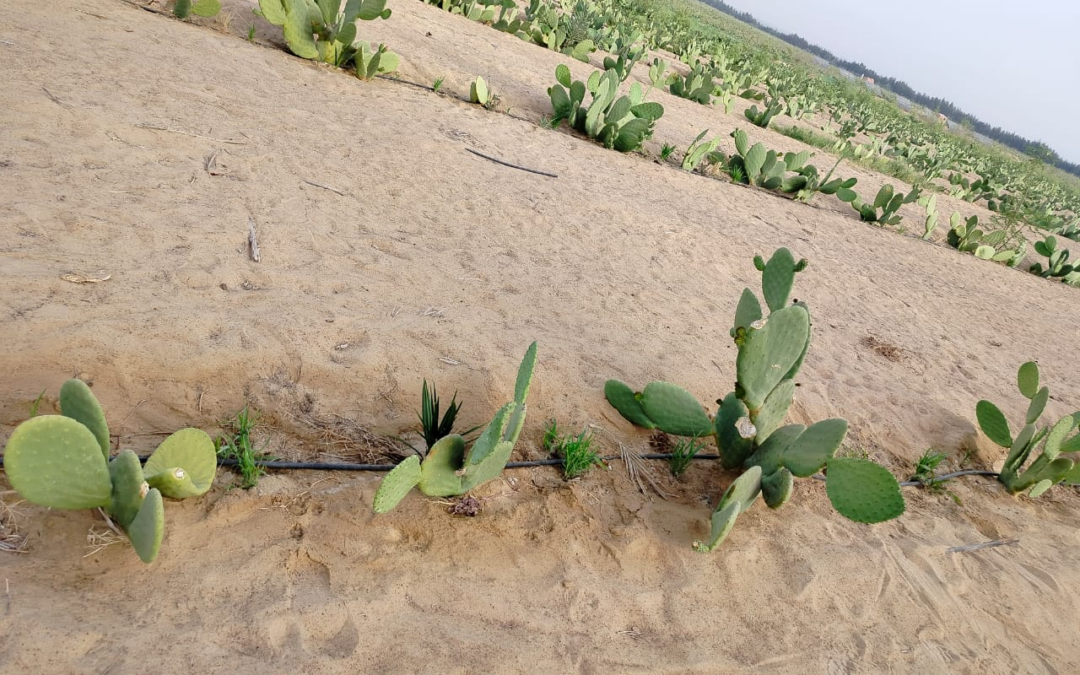
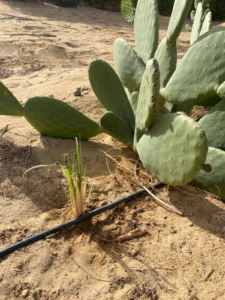
Prickly Pear (Opuntia), a versatile and resilient plant gaining global recognition for its nutritional value, economic potential, and environmental contributions.
Prickly Pear fruits (tunas) and pads (cladodes) are rich in fiber, vitamin C, and antioxidants, making them a nutritious staple in many cultures. Beyond human consumption, cladodes provide excellent emergency fodder for livestock, offering hydration and nutrients during feed shortages.
Economically, Prickly Pear is a valuable resource for diverse industries. Its fruits and pads can be processed into jams, juices, and cosmetic products, meeting the growing demand in food, pharmaceutical, and cosmetic markets.
From an environmental perspective, Prickly Pear excels in drought resistance and thrives in arid climates, making it ideal for sustainable agroforestry. Its extensive root system stabilizes soil, prevents erosion, and acts as a natural barrier to protect other crops. Additionally, Prickly Pear supports carbon sequestration and enhances biodiversity by providing habitat and food for insects, birds, and small mammals.
As a cornerstone of food security and sustainable agriculture, Prickly Pear enriches ecosystems and supports communities worldwide. We encourage the adoption and promotion of this extraordinary plant to build a healthier, more sustainable future for all.
by basem mohammed | Dec 27, 2025 | Uncategorized
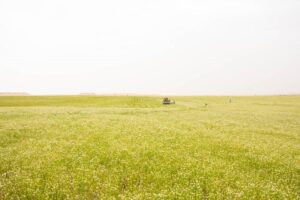
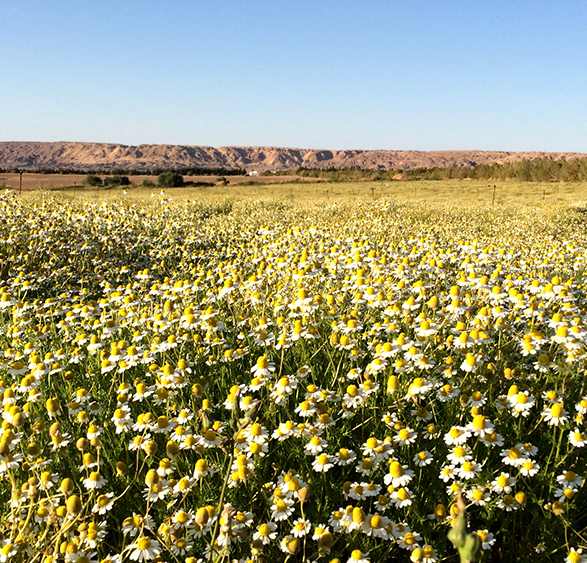
Pivot 16 was cultivated with chamomile during the last winter season. The results were satisfactory, with acceptable crop performance and signs of soil health improvement.
For the current summer season, this pivot is scheduled to be cultivated with sesame. The selection of sesame aligns with our crop rotation strategy aimed at promoting soil structure enhancement and diversifying outputs. We anticipate that this crop will continue the positive trend of increasing organic matter and microbial activity, particularly in light of the foundation laid during the winter season.