by basem mohammed | Dec 27, 2025 | Uncategorized
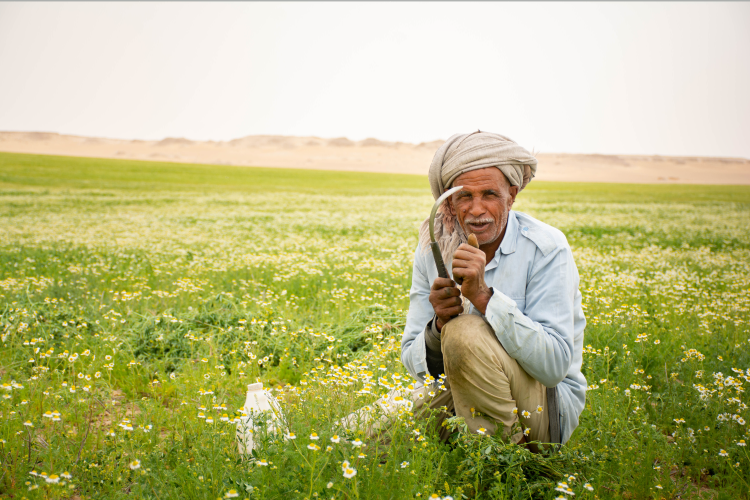
This is the first season of operation for Pivot 8 that is supported by Poppe Braam. The initial results are highly encouraging. The pivot was cultivated with chamomile, and it achieved both high yield and exceptional crop quality, exceeding initial projections. These outcomes reflect not only the fertility of the soil but also the effective implementation of good agricultural practices.
For the summer season, peanuts will be planted in this pivot. This choice complements the biological nitrogen-fixing capability of peanuts, which we expect to contribute further to soil enrichment and overall farm sustainability. Performance indicators will be closely monitored to evaluate the full impact of this rotation on soil nutrients and structure.
by basem mohammed | Dec 27, 2025 | Uncategorized
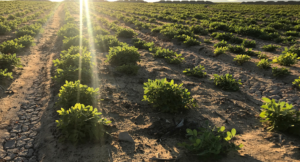
Pivots 2 and 5
Both pivots are supported by Lebensbaum.
Both Pivots 2 and 5 have shown substantial progress over the past seasons.
- Pivot 2 was planted with clover and beans last winter. These legumes have played a vital role in nitrogen fixation and enhancing soil fertility.
In the current summer season, the pivot is divided: one half is planted with sorghum, and the other with sesame. This mixed cultivation strategy aims to assess performance under varied crop requirements while continuing to build organic matter and microbial resilience. Observations already suggest increased soil fertility and noticeable improvements in soil structure and organic content.
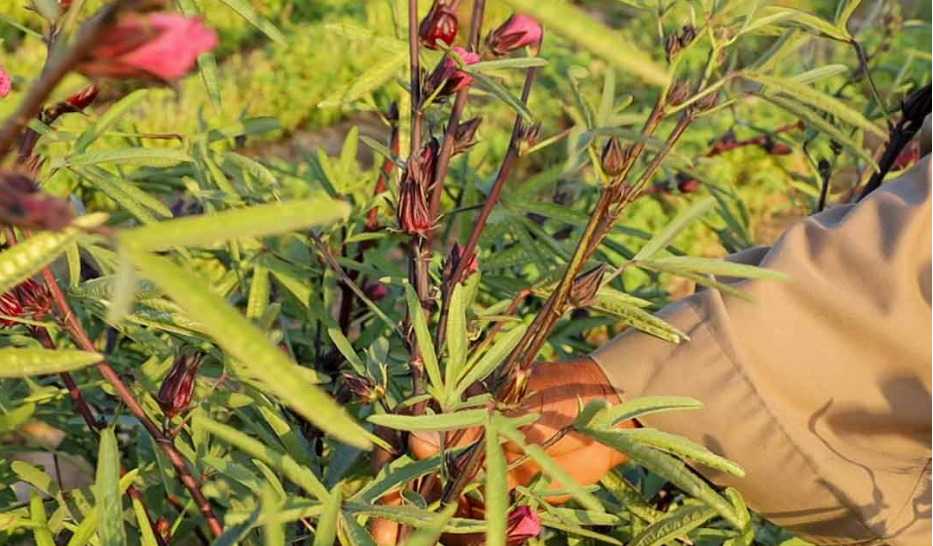
- Pivot 5 was cultivated with beans in the last winter season. In the summer season, it has been split between hibiscus and sesame. The soil in this pivot has shown measurable improvements in terms of organic matter levels, confirming that the interventions are having the desired impact. The diversified crop selection further enhances soil microbial diversity and supports balanced nutrient cycling.
by basem mohammed | Dec 27, 2025 | Uncategorized
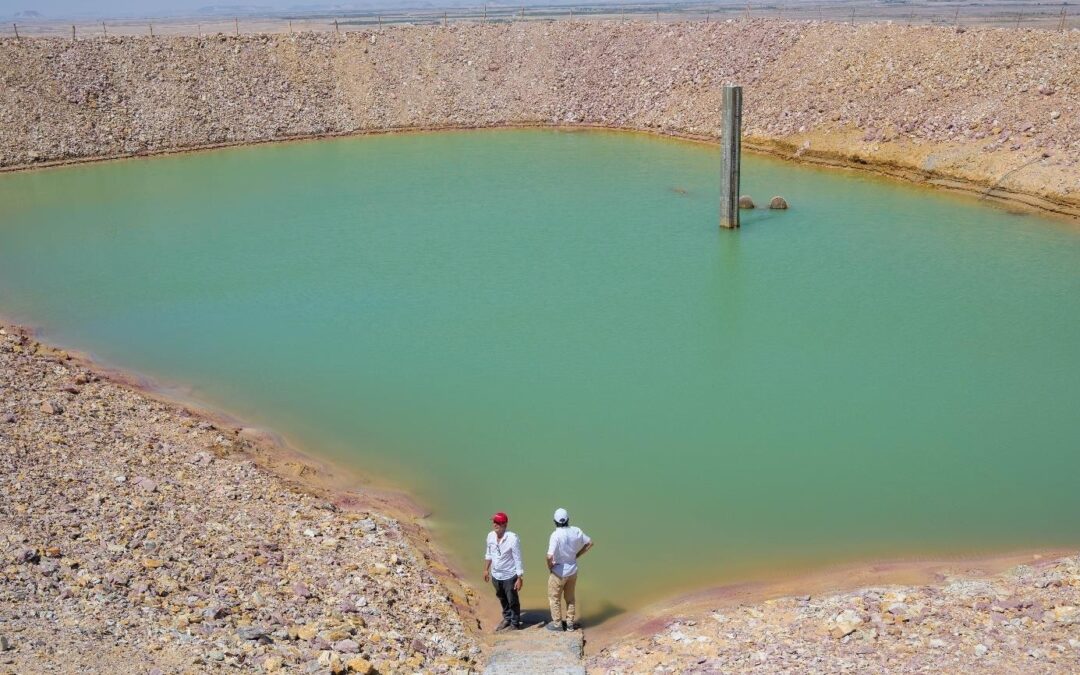
Irrigation used to be done by pumping water using solar power, which means irrigation can only take place during the day, which leads to high evaporation, especially in the pivots. A reservoir with a capacity of 22,000 m³ has now been created as a prototype on the slope above the fields. It is filled during the day and at night this water can be used for irrigation, only with the pressure from the difference in altitude.
Initial results from the wheat growing season using night irrigation on Pivot 20—compared to a daytime control plot on Pivot 5—are very promising. The night irrigation system led to a 15% reduction in water use, a 12.5% increase in wheat yield, and a remarkable 25.4% improvement in water efficiency (measured in cubic meters per kilogram of wheat). These outcomes exceed our initial water footprint reduction targets by 20%. The system is powered entirely by renewable energy and monitored with advanced soil sensors and digital water flow meters.
The project will generate over 1,100 carbon credits contributing significantly to the farm’s revenue and climate impact goals.
Harnessing Runoff Water for Sustainable Agriculture
SEKEM’s recent reports on its Wahat El Bahariya farm highlight a pioneering approach to water recycling within organic desert agriculture. During the implementation of a solar-powered night irrigation system, an unexpected opportunity for water reuse was discovered: irrigation runoff, along with water from neighboring farms, naturally accumulates at the farm’s lowest point due to an underground clay layer. Instead of allowing this runoff—now more saline than well water—to go to waste, SEKEM collects and recycles it to irrigate salt-tolerant perennial crops such as moringa and prickly pears. This innovative recycling not only maximizes water efficiency but also enables the productive use of water that would otherwise be lost, contributing to the farm’s overall sustainability.
by basem mohammed | Dec 27, 2025 | Uncategorized
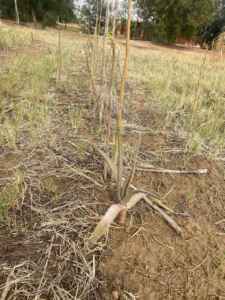
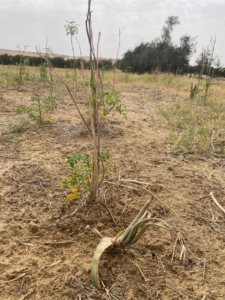
Unlocking the Benefits of Moringa in Agroforestry
Moringa oleifera, known as the “Miracle Tree,” is celebrated for its exceptional nutritional profile, rich in vitamins, minerals, and protein. This versatile plant enhances soil health with its deep roots and nitrogen-rich leaves, making it an excellent green manure choice. Moringa also provides partial shade and acts as a windbreak, protecting sensitive crops and improving microclimatic conditions, especially in dry regions.
As a high-protein feed supplement, Moringa boosts milk and meat production in livestock. Its nutritional richness makes it a vital resource in combating malnutrition, particularly among children and pregnant women. Additionally, Moringa is renowned for its medicinal properties, including anti-inflammatory and antimicrobial effects, and is traditionally used to treat various ailments. Crushed Moringa seeds can even purify water, offering a natural solution for clarifying turbid water.
Moringa stands as a crucial asset in agroforestry, promoting environmental sustainability and enhancing community health.
by basem mohammed | Dec 27, 2025 | Uncategorized
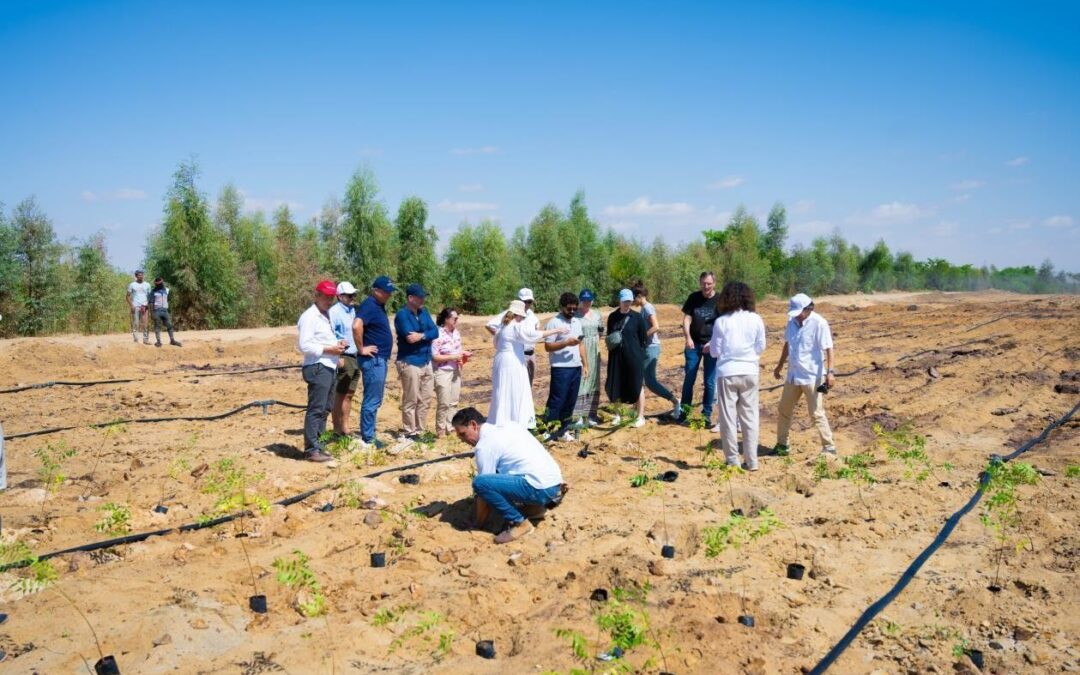
SEKEM has reached a major milestone in its efforts to regenerate Egypt’s Western Desert with the planting of 50,000 new trees at Wahat Farm. These trees ranging from Eucalyptus, Casuarina, Neem, Tipuana tipu, Dalbergia sissoo, Melia azedarach, Conocarpus, and Ziziphus spina-christi. They are selected for their resilience in arid climates and their ecological benefits, including shade, biodiversity, and soil regeneration. Many of these species also have important roles in agroforestry systems, offering benefits like wind protection, organic biomass, and carbon sequestration.
These 50,000 new trees add to the 400,000 previously planted trees at Wahat, which are being carefully maintained and show strong growth. Together, they represent a significant step toward SEKEM’s long-term vision of greening the desert through biodynamic methods.
The tree-planting initiative is more than an environmental gesture—it is part of an integrated, community-based development model. All farming practices at Wahat are Demeter- and EU Organic-certified and powered exclusively by renewable solar energy. With deep irrigation wells powered sustainably, and efforts to reduce evaporation through innovative water storage, even desert soils are being brought to life.