
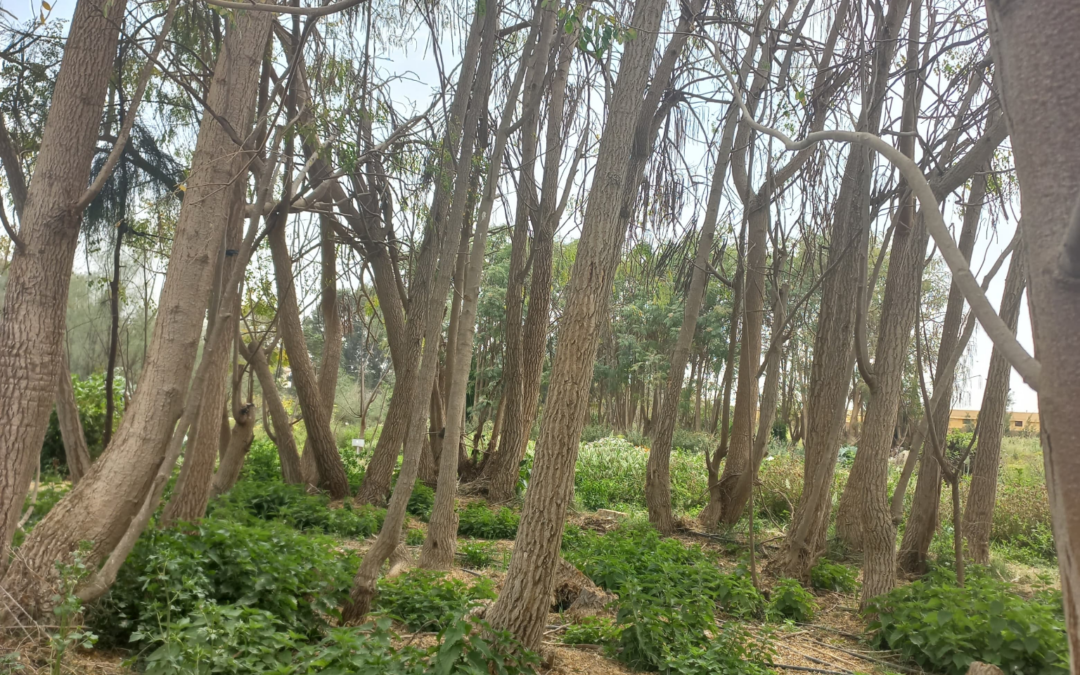
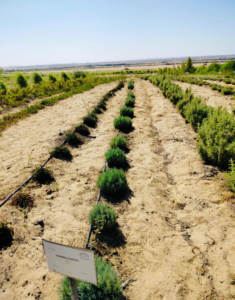
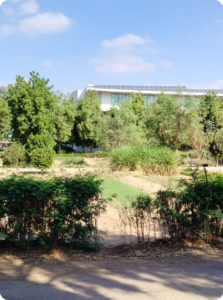
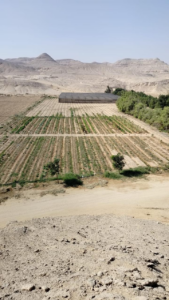
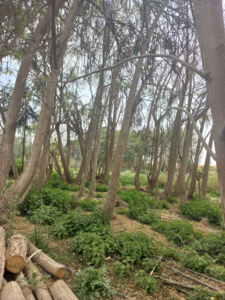
We operate four botanical gardens in Adliya, Heliopolis University, El Wahat, and Minya, serving as essential research and conservation centers for rare plant species in Egypt. The primary garden in Adliya features over 350 plant species, focusing on genetic conservation, experimentation, and public education.
Botanical gardens play a vital role in ex-situ conservation, acting as repositories for endangered species and safeguarding biodiversity for future restoration. They provide controlled environments for research on plant adaptation and genetic diversity, facilitating selective breeding and seed banking for agricultural use.
These gardens also raise public awareness about plant conservation and ecosystem health, offering training for researchers and students in sustainable practices.
In agroforestry, botanical gardens enable the testing of beneficial species—medicinal, aromatic, and nitrogen-fixing—before their integration into practices. They demonstrate sustainable land-use techniques and identify species that enhance soil quality and attract pollinators.
By providing high-quality planting materials for agroforestry and restoration projects, our botanical gardens are crucial for biodiversity conservation and advancing sustainable development initiatives.